
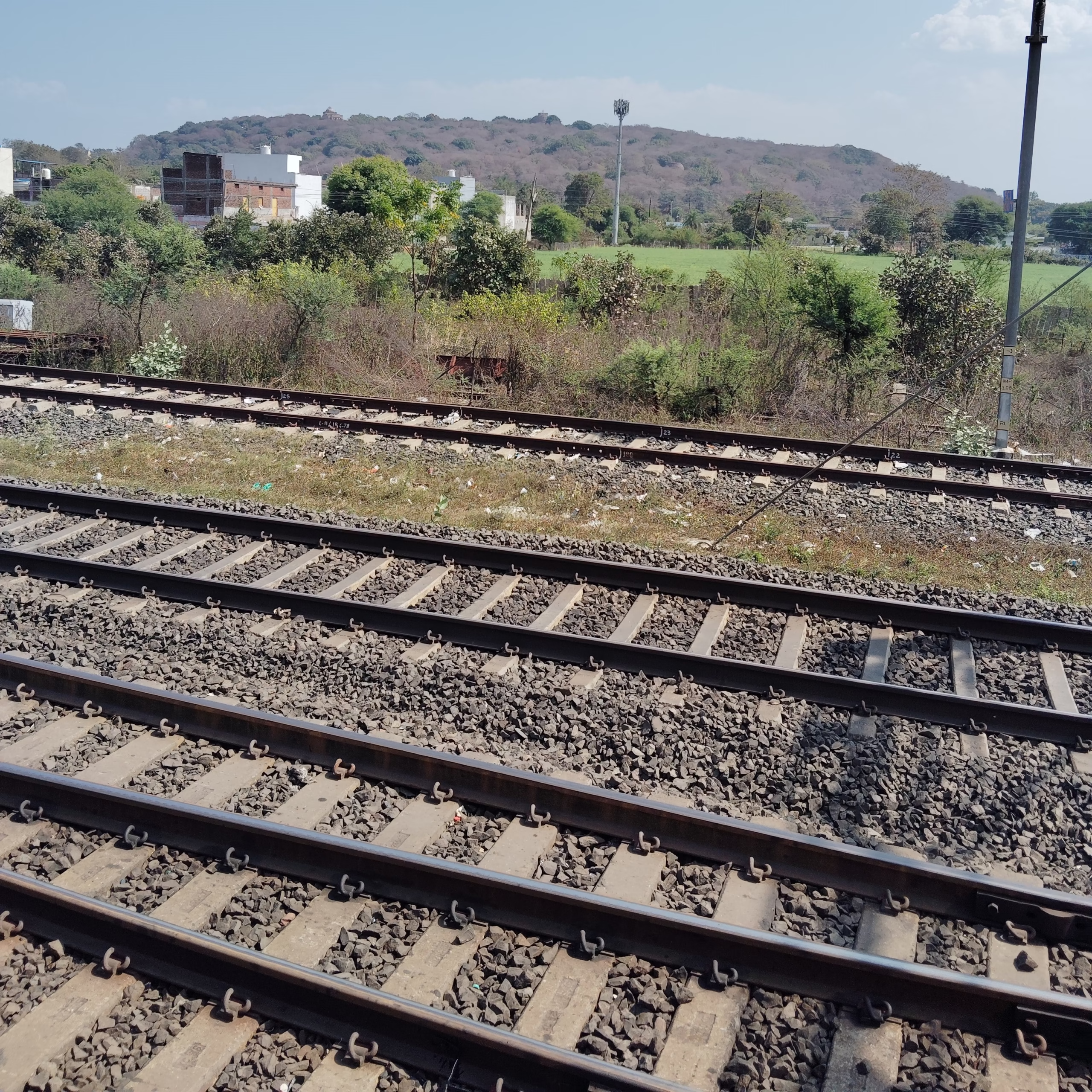
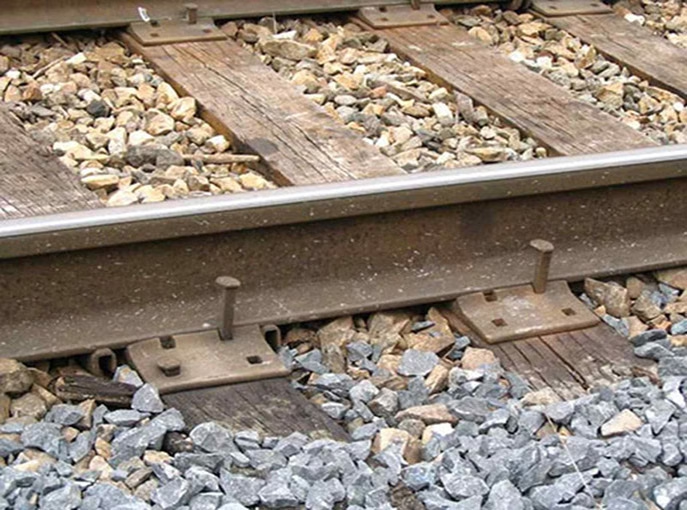
Railway Track Fastening System: Railway tracks may look simple from a distance, but they are highly engineered mechanical systems designed to carry enormous loads safely at high speeds. In this article, we will analyze the railway track components visible in the images above and explain their function, working principle, and importance in track stability.
If you are a railway engineering student, JE/SE aspirant, or working professional in Indian Railways like in Track Machine or Permanent Way (P-Way) department, this guide will help you understand the rail fastening system in detail.
1. Main Components of Rail
From the images below, the following key railway track components can be clearly identified:
- Rail section
- Concrete sleeper (PSC sleeper)
- Elastic rail clip
- Rail pad
- Cast iron insert / shoulder
- Ballast
- Pandrol type fastening system
Let us understand each component technically.
2. Rail Section (Running Rail)

Function:
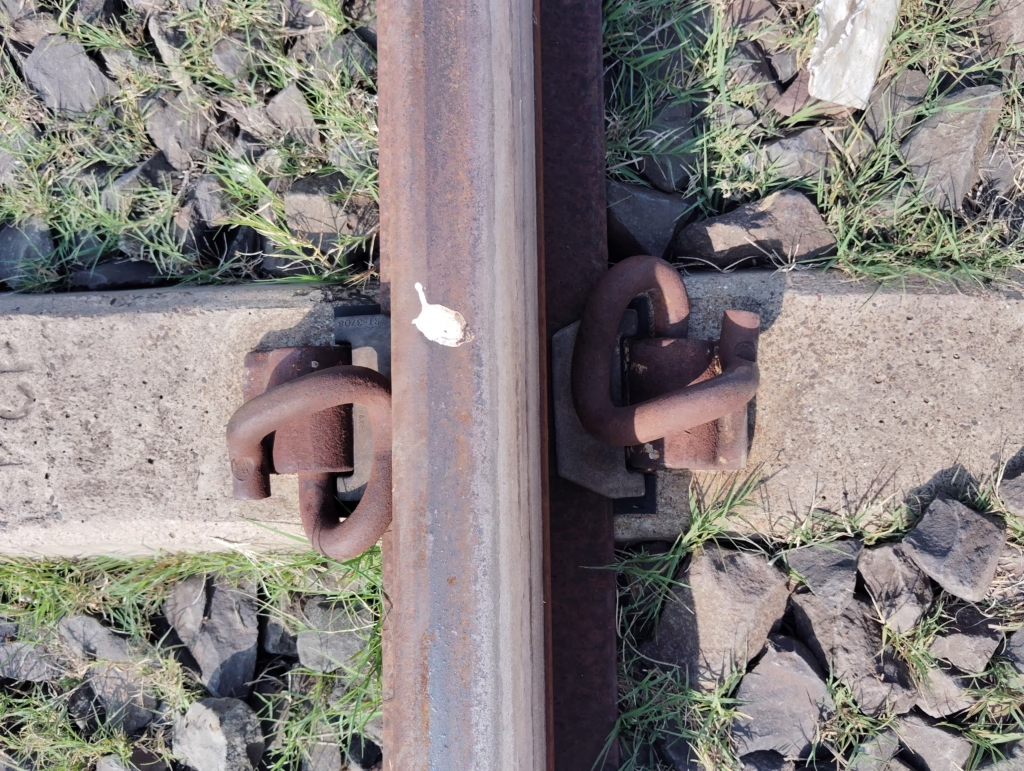
The rail is the primary load-carrying member of the track structure. It transfers wheel load from trains to sleepers and then to ballast.
Parts of Rail:
A standard rail has three main parts:
- Head – Top portion where wheel runs
- Web – Vertical section connecting head and foot
- Foot – Bottom flange resting on sleeper

Material:
Rails are made from high carbon manganese steel for:
- High strength
- Wear resistance
- Fatigue resistance
In Indian Railways, commonly used rails are 60 kg/m or 52 kg/m sections.
3. PSC (Pre-Stressed Concrete) Sleeper
Function:
Sleeper distributes load from rail to ballast and maintains:
- Gauge
- Alignment
- Track stability

Why PSC Sleeper?
Modern Indian Railways widely use PSC sleepers because:
- Longer life (40–50 years)
- High load capacity
- Better gauge holding
- Suitable for LWR (Long Welded Rail)

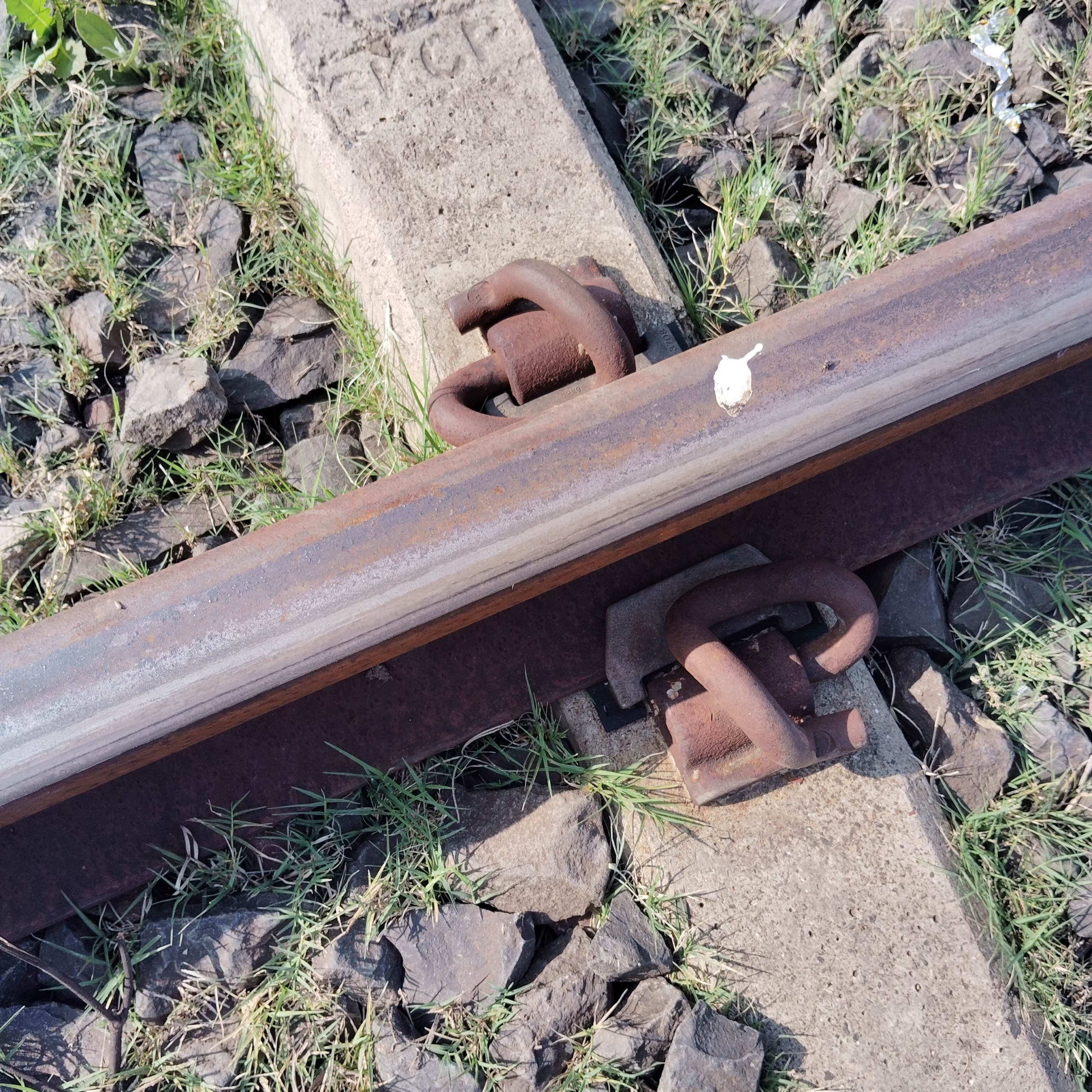
4. Elastic Rail Clip (Pandrol Clip Type)
Function:
The elastic rail clip holds the rail tightly against the sleeper while allowing slight elastic movement.
Working Principle:
- It provides clamping force.
- Absorbs vibration.
- Maintains toe load on rail foot.

Why Elastic Clip?
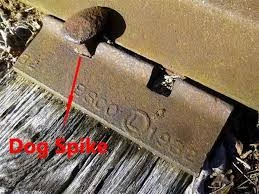
Compared to old dog spikes or keys or Nut Bolt Fastening:
- Better vibration resistance
- Suitable for high-speed and heavy axle loads
- Reduced maintenance
5. Rail Pad
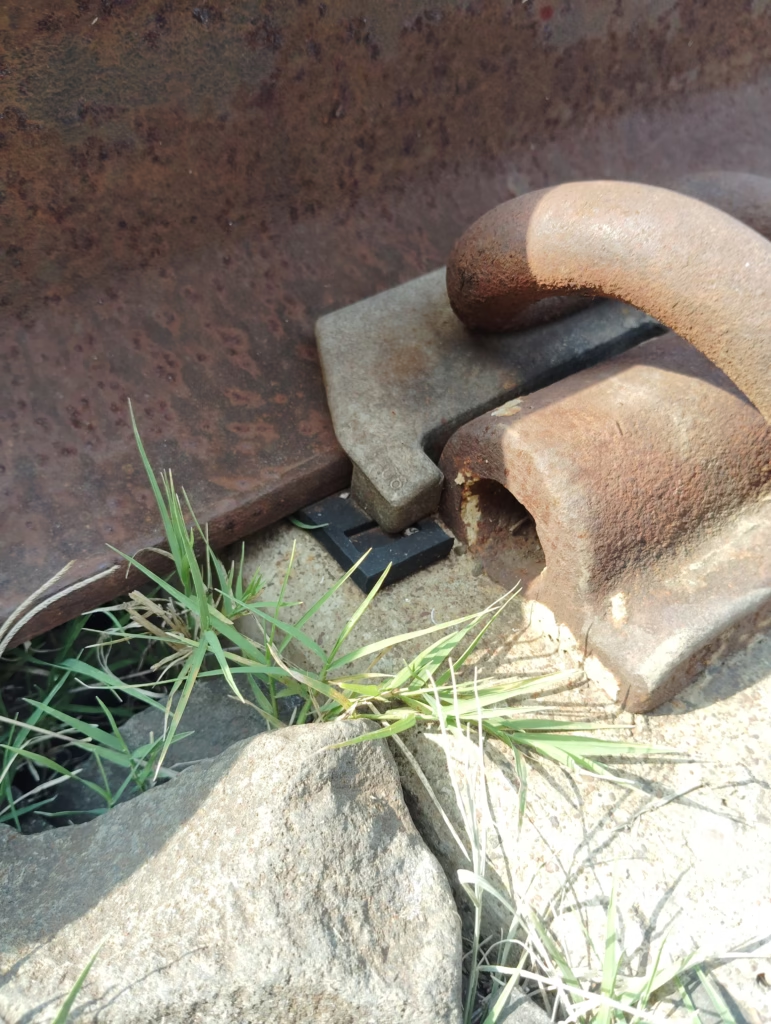
Between the rail foot and sleeper, there is a rubber or HDPE rail pad.
Purpose:
- Reduces vibration
- Prevents concrete damage
- Distributes load uniformly
- Electrically insulates track
The black component visible under rail foot in the image is likely the rail pad.
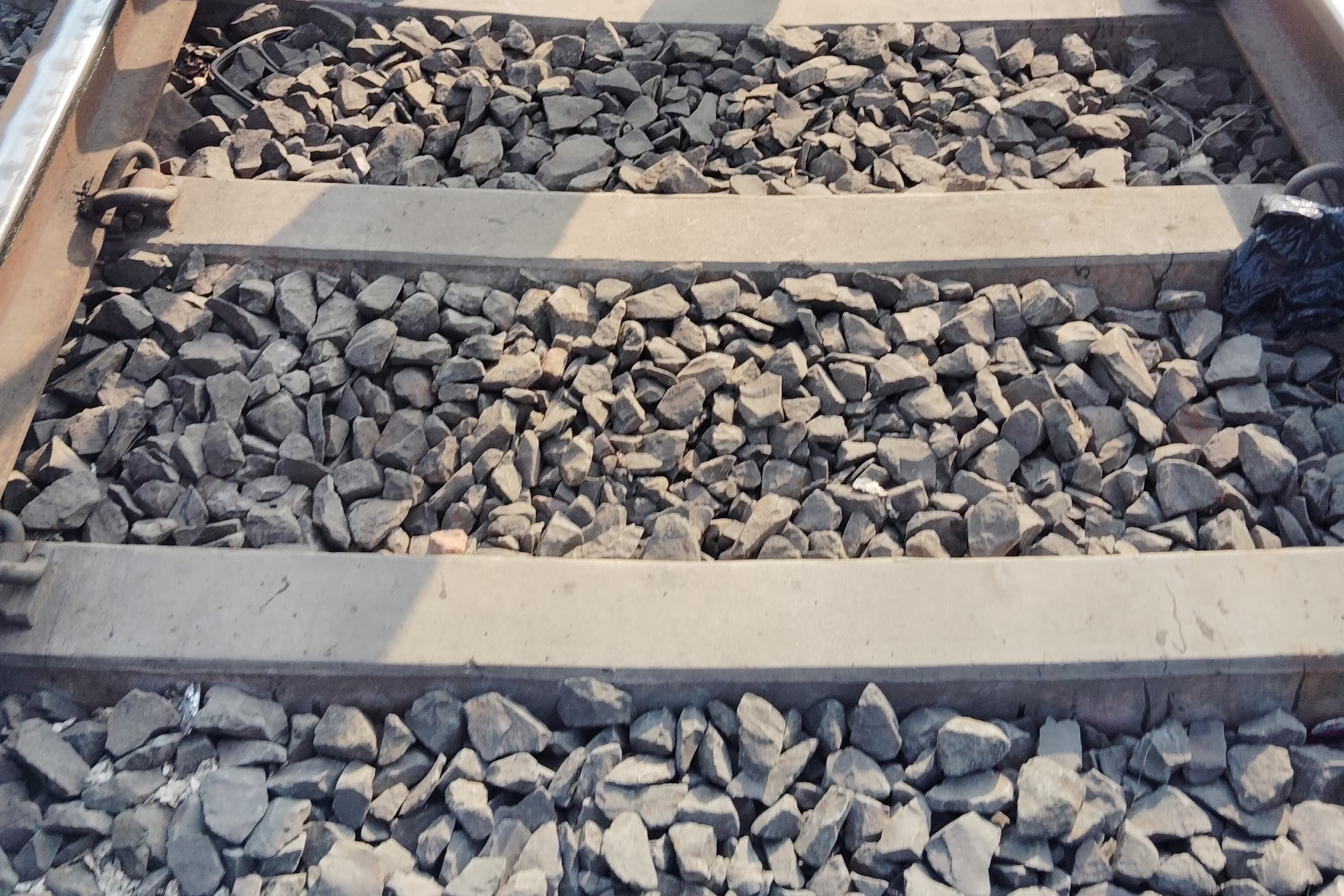
6. Ballast (Crushed Stone Layer)


Ballast on Rail Track
Function:
Ballast performs multiple engineering roles:
- Load distribution
- Drainage
- Track stability
- Resists lateral movement
The crushed angular stones seen in the image are ideal for interlocking and resisting displacement.

How the Entire Rail Fastening System Works Together
Load Transfer Mechanism:
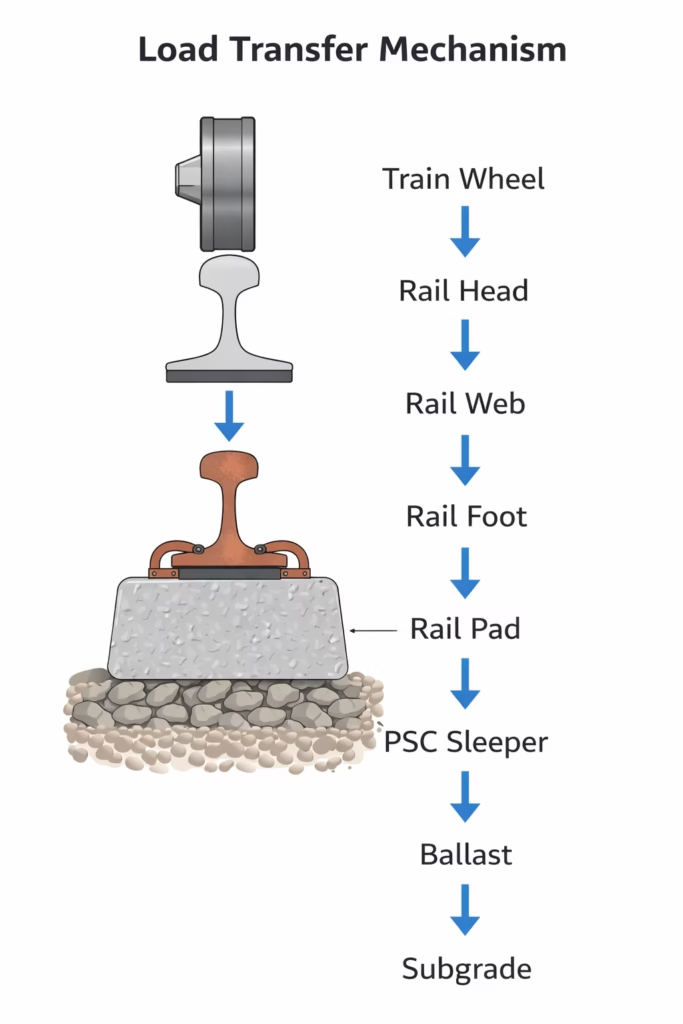
This multi-layer load distribution ensures:
- Reduced stress concentration
- Long service life
- Stability under heavy axle loads
Why This System is Used in Indian Railways
Indian Railways operates:
- Heavy freight trains
- High axle loads
- Long welded rail tracks
- High temperature variation
The elastic fastening system with PSC sleepers is ideal for:
- Thermal expansion control
- Vibration damping
- Reduced maintenance
- Track machine compatibility (tamping, lining, leveling)
Common Failure Modes (Important for Technical Exams)
- Rail wear at head
- Clip fatigue failure
- Pad deterioration
- Sleeper cracking
- Ballast fouling
Understanding these helps in:
- Track inspection
- Maintenance planning
- Safety audits
Conclusion
The images shown represent a modern railway track structure consisting of rail, PSC sleeper, elastic fastening system, and ballast. Each component plays a critical role in ensuring safety, stability, and durability of railway operations.
Understanding these components is essential for:
- Railway engineers
- JE/SE aspirants
- Track machine operators
- Civil engineering students
- Railway enthusiasts
If you are working in Track Machine department, understanding these parts deeply will help you inspect, maintain, and diagnose track defects more effectively.
Very useful information